
Opioid Stewardship
Opioid management guideline for physicians
Safer Opioid PRESCRIBING ACUTE PAIN in the Emergency Department or Walk-in Clinic- Avoid opioids if possible.
- Prescribe a small supply of weak opioids (codeine, buprenorphine patch, tramadol) for only 3 days, until patients can see their family doctor.
- Do not prescribe potent opioids (morphine, oxycodone, hydromorphone, fentanyl) for minor pain, e.g., muscle strains.
- Reserve opioids for severe pain that impairs daily function (e.g., spinal stenosis, neuropathic pain) that has not responded to an adequate trial of all appropriate non-opioid treatments
- Do not prescribe for fibromyalgia, headaches, low back or neck pain
- Get a second opinion before prescribing to patients at high risk for opioid use disorder (younger, have an underlying psychiatric disorder (e.g., anxiety, PTSD) or have current or past problematic substance use). PATIENT WARNINGS
- Explain tolerance: a safe dose for you can be lethal to a non-tolerant individual
- Keep opioids away from children and adolescents living at home
- Do not share opioids with anyone and do not borrow opioids from anyone
- Do not drink alcohol or take sedating drugs while taking your opioid
- Be careful about driving for a few days after initiation and dose increases
- If you have stopped opioids for more than 2-3 days, contact your doctor before resuming - you may need a lower dose
- Long-term effectiveness of opioids is unknown
- Opioids will be discontinued if they do not significantly improve function and pain, or have complications or problematic side effects
- Taper and discontinue benzodiazepines when starting opioids
- Always start with weak opioids first
- Maximum starting dose 30 mg MED/D
- Increase by no more than 25% for doses less than 50 mg MED/D, and by no more than 10% for doses more than 50 mg MED/D
- Most patients respond to doses of less than 50 mg MED/D; get a second opinion if doses above 90 mg MED/D are contemplated
- Initial opioid dose should be less than 20 mg MED/D, with lower dose increases (5–10 mg MED/D)
- Avoid transdermal fentanyl
- Taper and discontinue benzodiazepines
- Avoid opioids at night, especially long-acting opioids
- High doses (greater than 90 mg MED/D) are not safe and usually not necessary: Most pain patients respond to doses of 50 mg MED/D or less. High doses increase the risk of overdose, addiction, motor vehicle collisions, and falls.
- Tapering can improve mood, pain, and function in patients with severe pain despite a high opioid dose.
- Abrupt cessation of high opioid doses is dangerous: Patients will seek other sources of opioids to relieve withdrawal. Opioid tolerance is lost within days, putting patients at high risk of overdose.
- Opioid failure: Severe pain and impaired function despite adequate dose.
- Overdose, fall, or harm risk (e.g., heavy alcohol use, benzodiazepine use, advancing age or worsening co-morbidities).
- Opioid complications (e.g., hyperalgesia, sleep apnea, fatigue, or dysphoria).
- Suspected opioid use disorder with patient unwilling to pursue methadone or buprenorphine treatment.
- Opioid formulation: Long-acting preferred (until low dose reached).
- Dosing interval: Scheduled doses at constant interval (BID or TID) rather than PRN.
- Rate of taper: No more than 10% of total daily dose every 1–2 weeks.
- Endpoint of taper: Lowest dose that does not markedly exacerbate pain, at least less than 90 mg MED/D.
- Dealing with patient resistance:
- Explain that tapering will improve pain, mood, energy level, and function.
- If patient runs out early, increase dispensing frequency (e.g., daily).
- Opioid use disorder with suspected injection, diversion, or street use:
- Very high opioid dose for underlying pain condition.
- Aberrant behaviors (running out early, crushing or biting oral tabs, accessing opioids from other sources).
- Strong resistance to tapering.
- Current or past problematic substance use.
- Low mood and functioning.
- Concerns expressed by family members.
- Recurrent withdrawal symptoms (e.g., dramatic spike in pain, anxiety, myalgia).
- Experiences immediate improvement in mood after taking the opioid.
- Always use opioids with someone else present; if you overdose, your friend can contact 998 and use a naloxone kit.
- Use a small amount as a test dose if unsure about the source.
- Only pharmaceutical opioids obtained from a prescription and a pharmacy are guaranteed to be free of added fentanyl or other dangerous substances.
- Do not combine opioids with alcohol or benzodiazepines.
- If you have recently used less or been abstinent, take a much smaller dose.
- Get a naloxone rescue kit. These are available in many areas without the need for a prescription.
- Always carry your naloxone kit with you. What to do if a friend has an overdose
- Never leave a friend alone if they are drowsy or passed out after taking opioids.
- Shake them to keep them awake, and call 998.
- If unconscious, start chest compressions and use a naloxone kit. Fentanyl and other adulterants
- Fentanyl and other dangerous substances are being added to street opioids and other drugs.
- Very small doses of fentanyl can kill you, even if you have a high tolerance to opioids.
- Before 1st dose:
- Patient must abstain from all opioids for at least 12 hours, preferably longer.
- Patient must be in moderate withdrawal (insomnia, myalgia, nausea, anxiety); a score of 12+ on the Clinical Opiate Withdrawal Scale indicates buprenorphine can be initiated safely.
- Initial dose 4 mg sublingual (SL); 2 mg SL if elderly or on benzodiazepines.
- Reassess in 2 hours. If patient still in withdrawal, give another 4 mg in office, or prescribe two 2 mg tabs to take home.
- Maximum dose first day 12 mg.
- Ensure frequent follow-up. Prescribe enough of the determined dose once daily to last until next reassessment in 1 to 3 days.
- Warn patients to wait at least 12 hours after their last opioid dose and be in at least moderate withdrawal before taking the first buprenorphine dose.
- Follow up within 1–3 days. Essential Clinical Skills for Opioid Prescribers
- For the first 4-8 weeks, dispense dose once daily under observation of pharmacist.
- Prescribe take-home doses (up to 1 week at a time) when patient is no longer using opioids.
- Prescribe take-home doses before 4-8 weeks if the patient is unable to attend pharmacy daily because of work or family responsibilities and is unlikely to divert (e.g., does not acquire opioids from other sources).
- Reassess in 1–3 days.
- Increase dose by 2–4 mg at each visit for withdrawal symptoms or opioid use.
- Usually 12–16 mg SL daily; maximum dose is 24 mg SL daily.
- Maintenance dose should relieve withdrawal symptoms for 24 hours, with no sedation.
- Refer to methadone clinic if continued opioid use or withdrawal symptoms.
- Buprenorphine
- Fentanyl
- Hydromorphone
- Morphine
- Oxycodone
- Cocaine
- Benzodiazepines
Opioid Pain Medicines
Education and Information Leaflet for Patients and Families
You have been prescribed opioid pain medications. This leaflet can deliver some important safety information about opioids to patients and families. Patients, family members, friends and caregivers can play an important role in the safe use of these medications. The purpose of this leaflet is to share important safety information about opioids with them.
- For safe balance between pain control and side effects, you need to assess opioid effect and requiring dose regularly.
- Opioids improve your pain enough for you to do your daily activities, but they don't reduce your pain to zero. If you need opioids for more than a week or two, understand your plans for pain control and work closely with your doctor.
Warning
The following are important:
- Never share opioid medications with others.
- Store opioids in a safe place. Keep out of reach of children, teenagers and pets.
- Ask about other options you can use to treat your pain.
- ake any unused medicines back to the pharmacy where they were dispensed for safe disposal. If you have any questions, talk with your pharmacist.
- Never leave a person alone if you are worried about them.
- Ask about take-home naloxone kits.
Risk of overdose and addiction:
Although many people have used opioids without problems, sometimes serious problems have occurred, including overdose and addiction. It is important to follow prescription guidelines, use the lowest possible dose for the shortest possible time, and recognize signs of ingesting too much opioids. Avoid alcohol and benzodiazepines. Side effects like constipation, nausea, dry mouth, itching, sweat, dizziness can occur frequently with opioids. If your side effects are difficult to manage, contact your doctor or pharmacist. The ability to operate or operate the machine may be compromised. Some people are more sensitive to opioids' side effects and may need lower starting doses or more careful monitoring.
Discuss the high risk of dangerous side effects with your doctor in the following cases:
- You have certain health conditions like
- Airway problem
- Sleep apnea
- Lung disease (e.g. COPD or asthma)
- Kidney disease
- Liver disease
- You have never taken opioids before
- You are already taking an opioid or medications for anxiety or to help you sleep
- You have a history of problems with alcohol or other substances
- You have had a bad reaction to an opioid before
- You are age 65 or older
Signs of Overdose
Stop taking the drug and get immediate medical help if you experience the following:
- Severe dizziness
- Inability to stay awake
- Hallucinations
- Heavy or unusual snoring
- Slow breathing rate
Your family member or caregiver needs to call 998 if:
- You can’t speak clearly when you wake up
- They can’t wake you up
- Your lips or fingernails are blue or purple
- You are making unusual heavy snoring, gasping, gurgling or snorting sounds while sleeping
- You are not breathing or have no heartbeat
| Codeine Contin 100mg | 2 tabs/day | 30 MME |
| Tylenol #3 | 8 tabs/day | 36 MME |
| 50-100 MME/D |
| MS Contin 30mg | 2 tabs/day | 60 MME |
| Percocet | 10 tabs/day | 75 MME |
| Hydromorphone 4mg | 4 tabs/day | 80 MME |
| 100-200 MME/D |
| Hydromorphone SR 12mg | 2 caps/day | 120 MME |
| OxyNEO 40m | 3 tabs/day | 180 MME |
| Fentanyl 50mcg Patch | 200 MME | |
| >200 MME/D |
| Oxycodone CR 80mg | 2 caps/day | 240 MME |
| Hydromorph Contin 30mg | 2 caps/day | 300 MME |
| Fentanyl 100mcg Patch | 400 MME |
- Never share opioid medications with others.
- Store opioids in a safe place. Keep out of reach of children, teenagers and pets.
- Ask about other options you can use to treat your pain.
- Take any unused medicines back to the pharmacy where they were dispensed for safe disposal. If you have any questions, talk with your pharmacist.
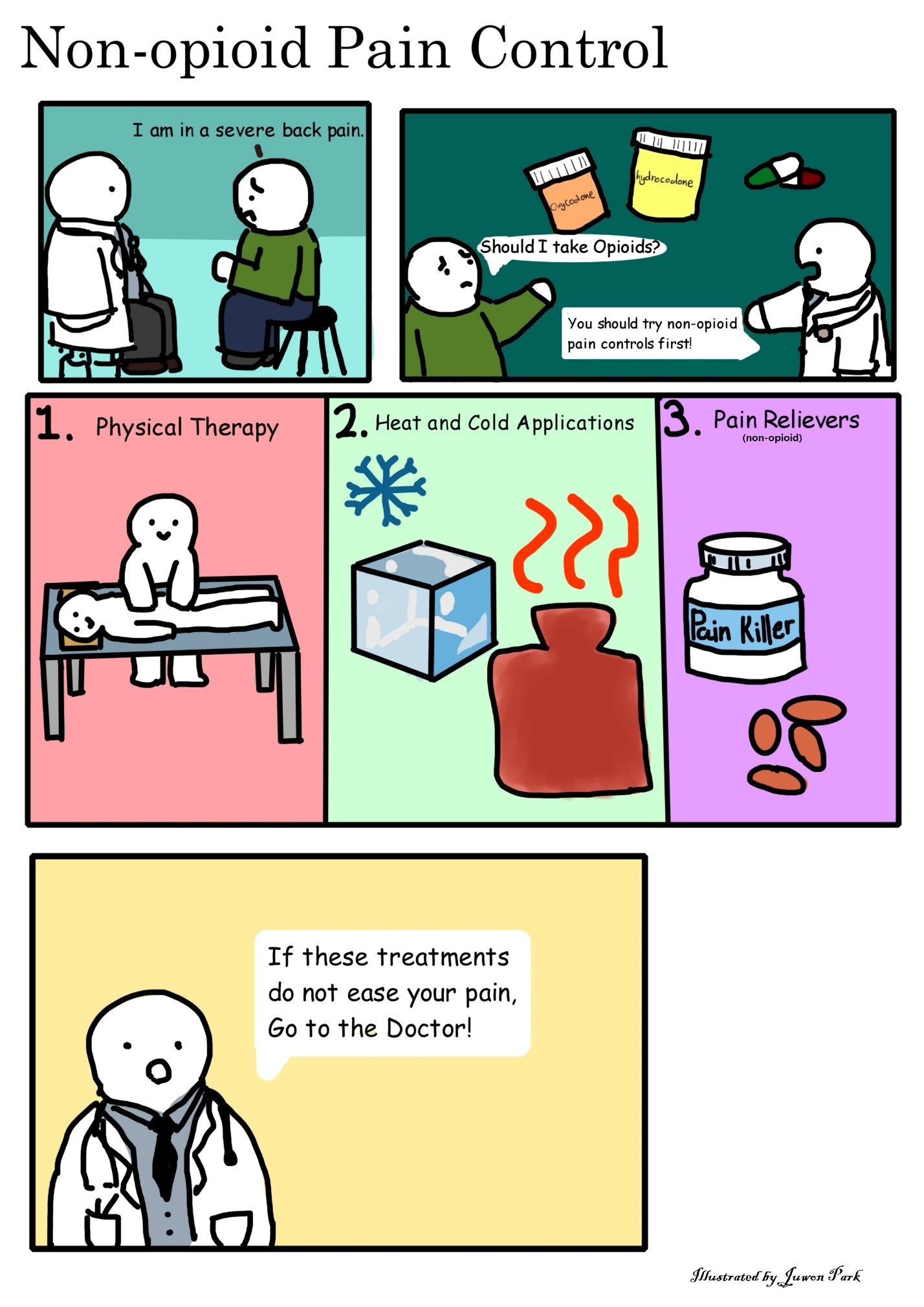
- You have been prescribed opioids. What do you need to know?Although opioids reduce pain, they do not eliminate all pain. Ask your prescriber about other ways to reduce pain, including ice, stretching, physical therapy, or the use of non-opioid medications such as acetaminophen or ibuprofen. If you know your pain management plan but your pain doesn't improve, work closely with your prescriber.
- How long will you use opioids?As you recover from a surgical wound, the pain will improve day by day. The better, the less opioids are needed. You can discuss with your healthcare provider how and when to reduce your dose.
- How much is it used at the proper dose? What should I be careful about?If possible, reduce the amount and time of use as much as possible. Inappropriate use of opioids can lead to overdose and addiction. Avoid alcohol and sleeping pills (such as benzodiazepines such as lorazepam, midazolam) while taking opioids. Do not drive while taking opioids.
- What are the side effects?Side effects include sedation, itching, constipation, nausea, and dizziness. If there is severe dizziness or if the patient is unable to stay awake during the guardian's observation, the guardian should contact the health care provider.
- How do I follow up pain?If pain persists after opioid use, ask your prescriber when the pain will improve. If your pain does not improve as expected, let your health care provider know.
- You have been prescribed opioids. What do you need to know?You need to ask your prescriber about other ways to reduce pain, including ice, stretching, physical therapy, or the use of non-opioid medications such as acetaminophen or ibuprofen or naproxen. And ask your doctor, nurse, or pharmacist to find the appropriate medication. If the pain is still severe, use the prescribed opioids. Although opioids reduce pain, they do not eliminate all pain. Opioid medication reduce pain but don't remove all pain. Non-opioids and opioid medications have been prescribed to treat your pain.
- How long will you use opioids?As you recover from the cause of pain, your pain will improve day by day. The better, the less opioids are needed. You can discuss with your healthcare provider how and when to reduce your dose. Opioids are usually required for less than 3 days for short-term pain. Have a pain control plan and get in touch with your health care provider if your pain does not improve.
- How much is it used at the proper dose? What should I be careful about?If possible, reduce the amount and time of use as much as possible. Inappropriate use of opioids can lead to overdose and addiction. Discuss with your doctor, nurse or pharmacist about how to use the lowest possible dose for the shortest possible time for all pain medications. Avoid alcohol and sleeping pills (such as benzodiazepines such as lorazepam, midazolam) while taking opioids. It can be dangerous to combine opioids with alcohol or anti-anxiety medications. Do not drive while taking opioids.
- What are the side effects?Side effects include sedation, itching, constipation, nausea, and dizziness. If there is severe dizziness or if the patient is unable to stay awake during the guardian's observation, the guardian should contact the health care provider. It can induce serious side effect like respiratory depression to combine opioids with alcohol or anti-anxiety medications.
- How do I follow up pain?If pain persists after opioid use, ask your prescriber when the pain will improve. If your pain does not improve as expected, let your health care provider know.
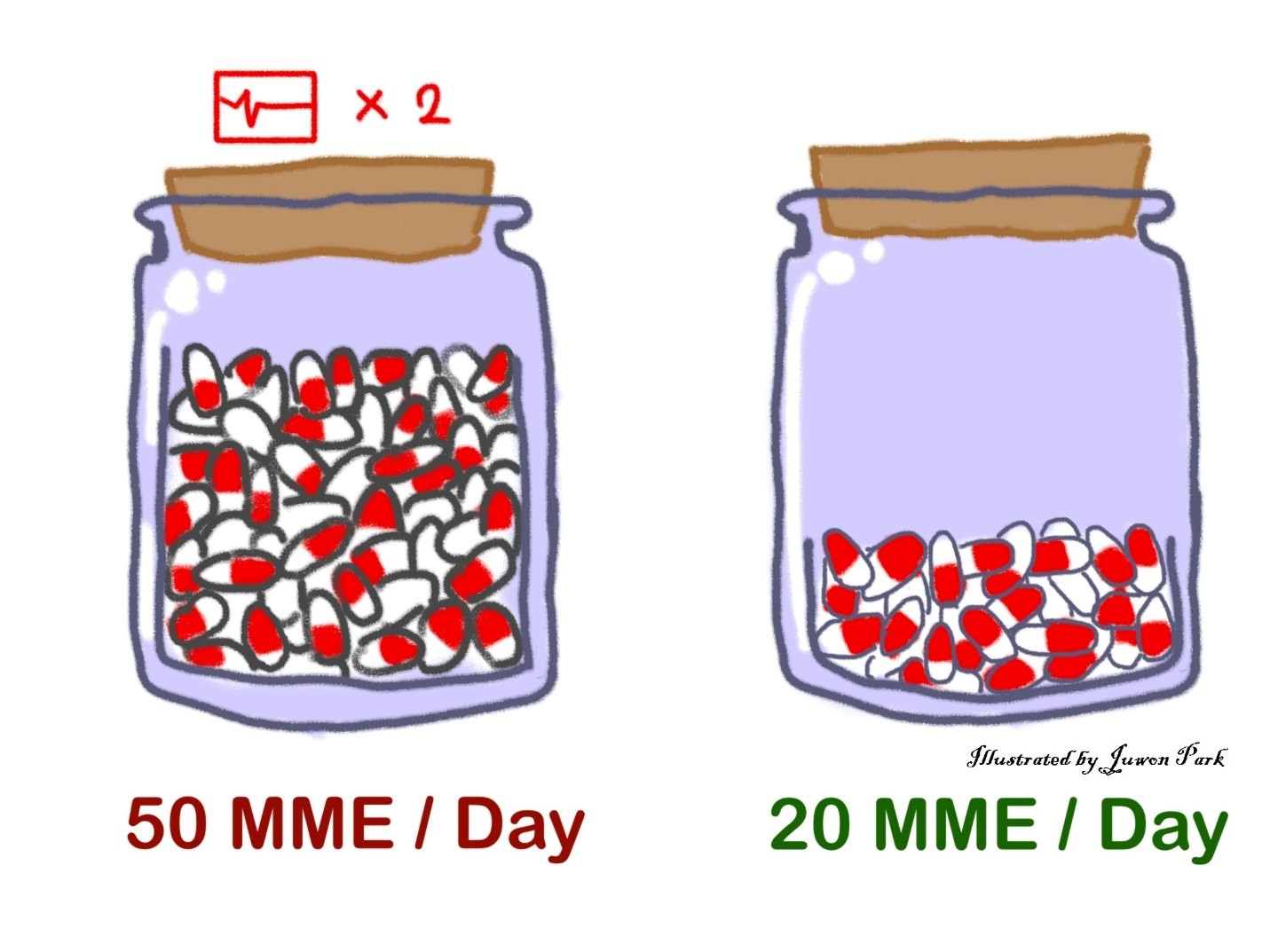 Dosages at or above 50 MME/day increase 2 times risks for overdose by at least compared with less than 20 MME/day.